

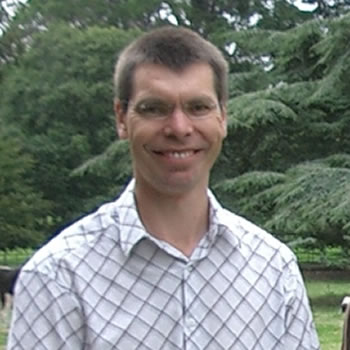
Alasdair Hotston Moore is Head of Referral Surgery at Bath Veterinary Referrals. He qualified from Cambridge in 1990. Following graduation, he joined Bristol Vet School, first as Intern in Small Animal Medicine and subsequently as CSTF Resident in Small Animal Soft Tissue Surgery. He was Lecturer and latterly Senior Clinical Fellow in Small Animal Soft Tissue Surgery at Langford from 1997 until leaving in 2009. Alasdair accepts cases in all areas of Soft Tissue Surgery. He speaks on his subject area nationally and internationally and has published widely in academic and professional journals.
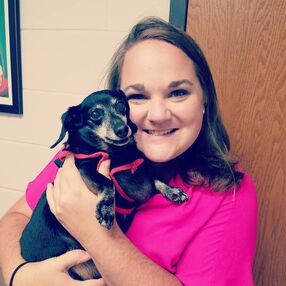
Becky is a graduate of Mississippi State University. She did her small animal rotating internship at the University of Tennessee and residency in comparative ophthalmology at the University of Wisconsin-Madison. Since finishing her residency in 2019, she has been teaching as an Assistant Clinical Professor of Ophthalmology at Mississippi State University. She is board certified and is a diplomate of the American College of Veterinary Ophthalmologists.
Becky is particularly interested in ocular manifestations of systemic disease, and really enjoys corneal and cataract surgery. She really loves teaching and engaging with students as well as referring veterinarians.
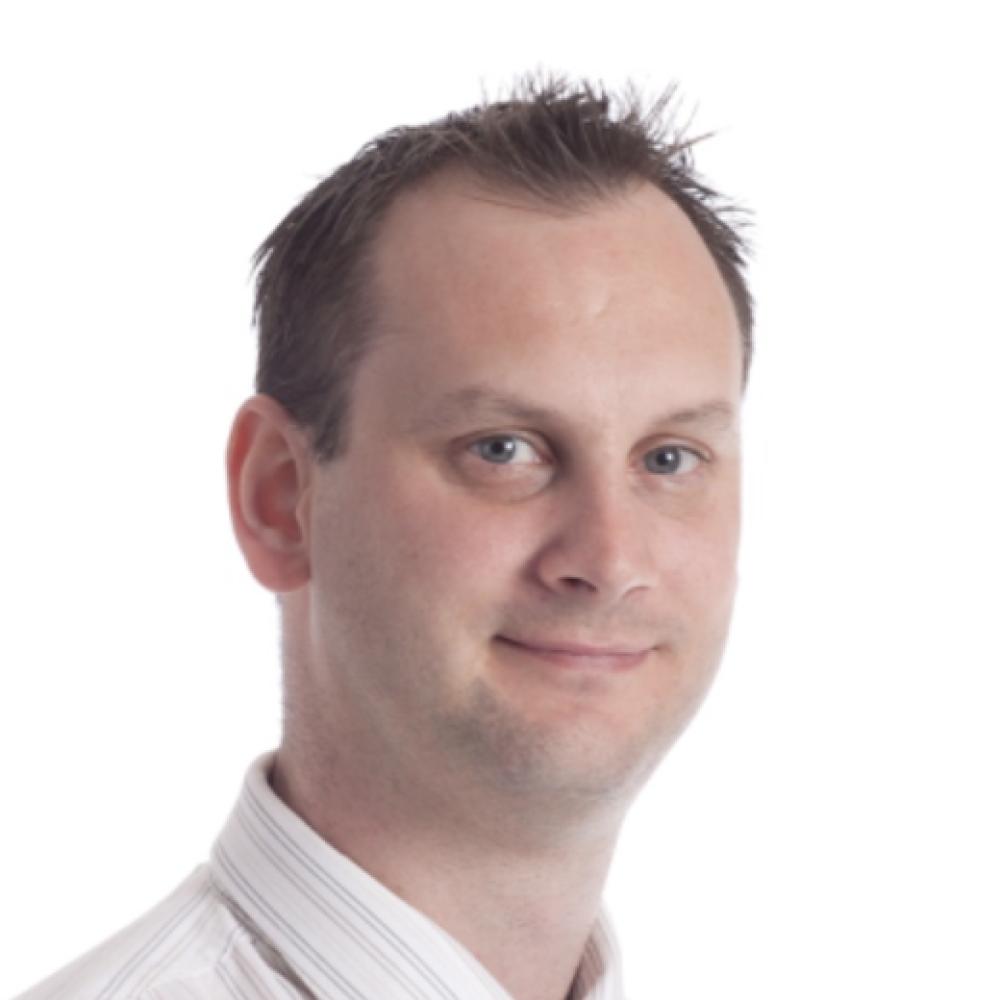
James graduated from the Royal Veterinary College (RVC) and spent a few years in general practice before completing an internship and then a three-year residency in Small Animal Surgery at the Queen Mother Hospital, RVC. During this time he obtained the RCVS Certificates in Veterinary Radiology and Small Animal Surgery. James was a lecturer in Orthopaedic Surgery at the RVC before moving to Anderson Moores Veterinary Specialists as an Orthopaedic Surgeon in 2010. James is an ECVS Diplomate and Recognised European Specialist in Small Animal Surgery as well as being recognised by the RCVS as a Specialist in Small Animal Surgery. In 2010 James obtained the Postgraduate Certificate in Medical Education from the University of Bedfordshire and he is a Fellow of the Higher Education Academy. In 2019 James was made a Fellow of the Royal College of Veterinary Surgeons for meritorious contributions to clinical practice. Fellowship is the highest status of membership of the College and is awarded for outstanding contributions to the veterinary profession.
James is interested in the full range of musculoskeletal and rheumatological conditions from acute trauma to elective surgery as well as the investigation and treatment of joint conditions. He has more specific interests in the role of physiotherapy in patient care, infection control and canine elbow disease (including elbow joint replacement) and feline orthopaedics. James is one of only a few specialist surgeons certified to perform canine total elbow replacement in the UK.
James continues to contribute to the profession through the provision of CPD courses, lectures, research projects and papers. James is an active member and course Chair for AOVET, an independent nonprofit organization that represents a global network of surgeons, scientists, and other professionals highly specialized in veterinary surgery of the musculoskeletal system.
American Recognised Specialist in Emergency and Critical Care
I graduated from the University of Sydney in 2005 and spent several years as an emergency clinician in private practice in Sydney, Australia before completing an Emergency and Critical Care internship at the University of California, Davis. I then completed an Emergency and Critical Care Residency at the Royal Veterinary College in London. For the last four years I have worked in a private practice emergency and specialty hospital, currently based in Glasgow. In 2019, I became board certified as a Diplomate of the American College of Veterinary Emergency and Critical Care.
RCVS Specialist in Feline Medicine European Specialist in Companion Animal Medicine Kerry graduated from Edinburgh University and worked in small animal practice for two years before returning to Edinburgh. She gained her certificate in Veterinary Cardiology and PhD in 2004 and in 2010, passed her Feline Medicine Australian College of Veterinary Scientists Fellowship examinations. Gaining this diploma level qualification made her eligible to apply for Specialist status with the Royal College of Veterinary Surgeons. In 2014 Kerry gained her European diploma in Companion Animal Medicine and became a European Specialist. She then worked at a private referral hospital in Bristol for 3 years before joining Ross University in January 2019. In 2020, Kerry was awarded Fellowship of the Royal College of Veterinary Surgeons.
Dr. Burrows is a Fellow of the Australian and New Zealand College of Veterinary Scientists (ANZCVS) in Veterinary Dermatology; a registered specialist in veterinary dermatology and Associate Professor in Small Animal Medicine (Dermatology) at Murdoch University, Western Australia. She is the most experienced veterinary dermatologist in Western Australia with over 30 years working in University and clinical practice and teaching. She has trained the majority of veterinary dermatologists now working in veterinary specialty practice in Western Australia.
RCVS Specialist in Anaesthesia and Analgesia European Specialist in Anaesthesia and Analgesia Having graduated from the veterinary school of the Universidad Autonoma de Barcelona (Spain) in 1999, Maria Angeles spent a year working in Spain before moving to the United Kingdom, where she worked for two years before joining the Royal Veterinary College of London (RVC). From 2003-2007, Angie completed an anaesthesia internship and residency at the RVC. She then worked as a clinical instructor in anaesthesia at the RVC from June 2007 to August 2011. After that, she moved to the United States of America where she worked as an assistant professor in anaesthesiology at the University of Minnesota for two and a half years. In 2014 she returned to the United Kingdom to work as a clinical anaesthetist at the Animal Health Trust. In January 2015, Angie joined North Downs Specialist Referrals and is currently working as Specialist veterinary anaesthetist and Head of anaesthesia department. Her clinical interests are pain recognition and management, anaesthetic management of the compromised patient and artificial ventilation. Maria Angeles holds a Royal College of Veterinary Surgeons Certificate in Veterinary Anaesthesia (CertVA) and is a Board certified Diplomate of the European College of Veterinary Anaesthesia and Analgesia (DECVAA).
RCVS Specialist in Veterinary Neurology
EBVS®️ European Specialist in Veterinary Neurology
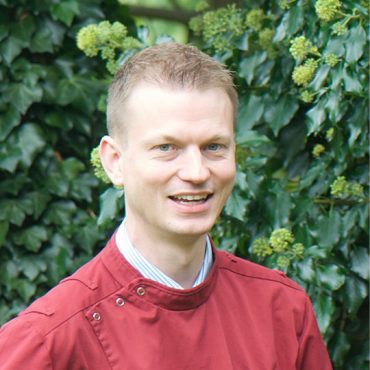
Mark qualified from the University of Cambridge and then worked in first opinion small animal practice. Following an internship at the RVC he moved to the University of Glasgow to complete a residency in veterinary neurology. He has a Master’s degree on steroid responsive meningitis-arteritis in dogs and has particular interest in involuntary muscle contractions, reflex epilepsy, inflammatory central nervous system disease and feline neurology. He is the Clinical Director at Dovecote Veterinary Hospital and is veterinary consultant to the International Society of Feline Medicine (ISFM).
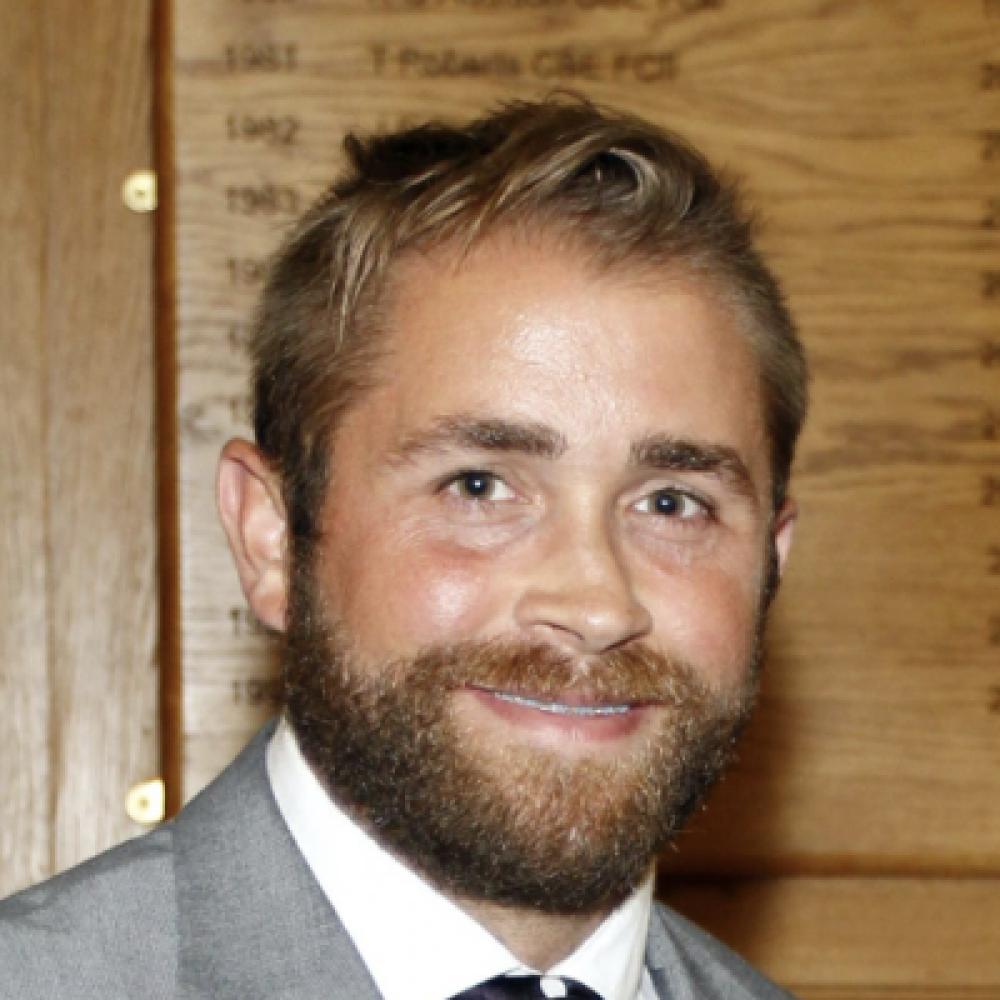
European Veterinary Specialist in Veterinary Clinical Pathology Nic graduated from Bristol in 2007 and moved to Sri Lanka to work at the veterinary school in Perideniya. In 2008, he returned to the UK to work in mixed practice in North Wales. In 2015, Nic commenced a residency in Veterinary Clinical Pathology at Dick White Diagnostics. He gained fellowship of the Royal College of Pathologists in 2018, and his European Diploma in Veterinary Clinical Pathology in 2019. Nic continues to work at Dick White Diagnostics, and his professional interests include the diagnosis of lymphoproliferative disease and flow cytometry.
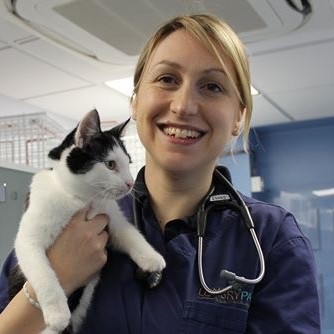
Sam graduated from the Royal Vet College in 2002 and completed internships in private referral practice before starting a Feline Advisory Bureau Residency at Bristol University. She was awarded the RCVS Certificate in Small Animal Medicine in 2006 and the European Diploma in Veterinary Internal Medicine in 2009. In 2011 she became an RCVS Recognised Specialist in Feline Medicine and in 2019 was made a Fellow of the Royal College of Veterinary Surgeons. She was recently appointed to the RCVS Fellowship Credentials Panel. Sam is the Feline Specialist Advisor for ISFM, and the Head of the ISFM Academy of Feline Practitioners. She also works in clinical referral practice at Lumbry Park Veterinary Specialists in Hampshire, is editor of the BSAVA journal ‘Companion’ and is a tutor on the University of Sydney Feline Medicine course as well as an examiner for the Membership of the Australia and New Zealand College of Veterinary Scientists (Feline Medicine). She is an editorial board member for The Journal of Feline Medicine and Surgery and has authored 2 books and numerous book chapters as well as publishing a number of papers on both canine and feline internal medicine.
Stephanie Sorrell graduated from the RVC and undertook her residency in Internal Medicine at Edinburgh University. She is a European Internal Medicine Specialist and RCVS Feline Specialist. She is currently a Senior Consultant at Virtual Veterinary Specialists and also provides locum internal medicine and feline medicine cover to private and university-based referral practices.
She has a passion for teaching and has lectured internationally as well as publishing original research papers in journals. She is also an examiner for the Australian and New Zealand Membership exams in Feline Medicine. She is interested in all aspects of internal medicine, particularly feline geriatric medicine and infectious diseases.
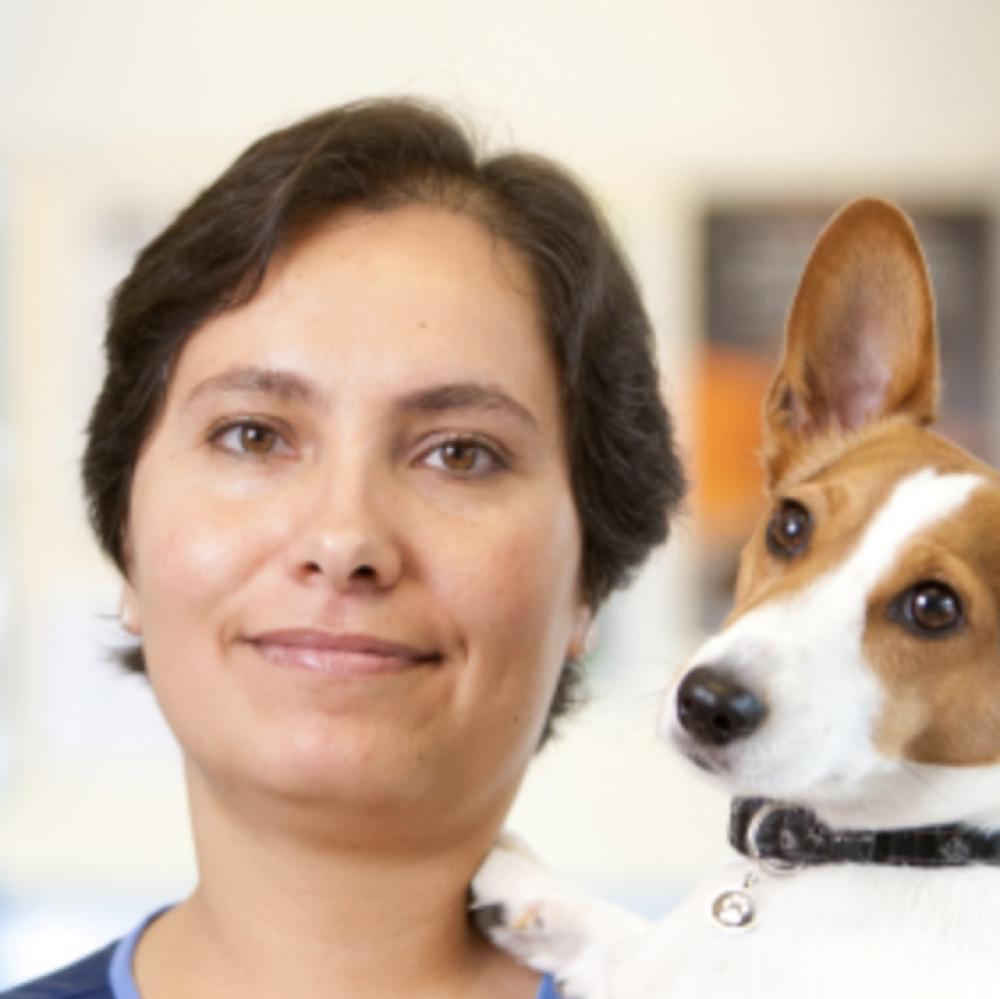
European Specialist in Veterinary Small Animal Medicine Susana graduated from the University of Porto (Portugal) in 2001 and, after working a few years in first opinion practice, I started an internship in a private practice in Essex. Susana obtained her Royal College of Veterinary Surgeons Small Animal Certificate (CertSAM) in 2007 and finished her residency training program at the University of Bristol in 2009. In 2010 Susana obtained the European Diploma in Small Animal Internal Medicine (DipECVIM-CA) After finishing her residency, Susana worked in several referral centres in the south of England. Susana is an internal medicine consultant for IDEXX Laboratories and also works as a consultant for Virtual Veterinary Specialists (VVS). Susana is a regular lecturer for Improve International and has also been an examiner for the International School for Veterinary Postgraduate Studies (ISPVS).
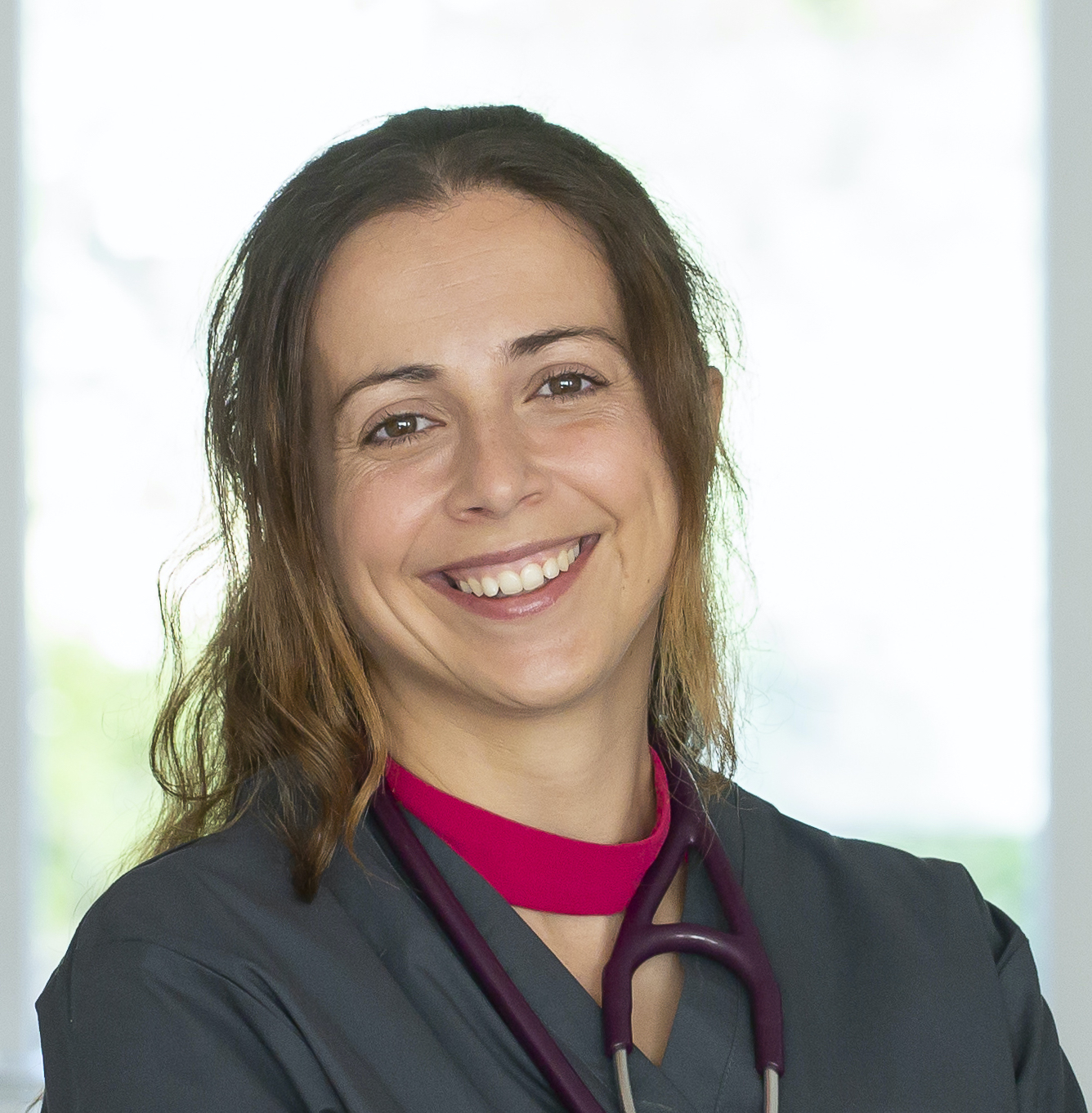
Yaiza graduated in 2002 at the University of Madrid. After a short time in private practice, she moved to the United Kingdom, where she undertook a Small Animal Internship at the Royal Veterinary College. She then accepted a residency in Feline Internal Medicine at the University of Liverpool and she gained her Diploma of the European College of Veterinary Internal Medicine in 2008. Following this, she returned to the Royal Veterinary College to do a PhD about the genetics and pathophysiology of Feline Diabetes. She discovered the first gene associated with feline diabetes. Although she enjoyed her research years, Yaiza always wanted to return to clinical practice, where she could interact with students, fellow clinicians and patients. After her PhD, she became a Lecturer in Small Animal Medicine at The Royal Veterinary College. Most recently, Yaiza has moved to The Netherlands with her family and is now The Director of Veterinary Specialist Consultations, a service that provides specialist help and support for veterinary clinicians. Yaiza is also an integral part of the Internal Medicine Team at de Medisch Centrum voor Dieren in Amsterdam, where she is the director of the residency program and enjoys seeing patients and training residents while providing high-level clinical care to her patients. Yaiza likes all aspects of internal medicine, although she has a passion for endocrinology, gastroenterology and all aspects related to feline medicine.
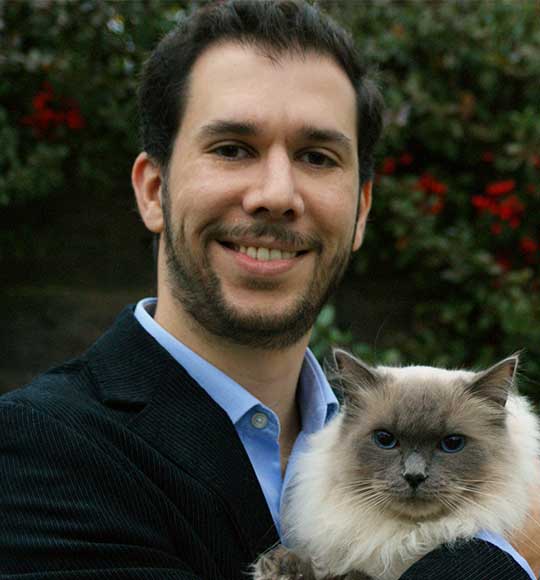
Dr. Christos is a European and RCVS Specialist in Veterinary Behavioural Medicine. He graduated from the Veterinary Faculty of the Aristotle University of Thessaloniki (Greece) and then earned a Master of Science in Clinical Animal Behaviour from the University of Lincoln (UK). He then went on to complete a Residency for the European College of Behavioural Medicine in the Animal Behavioural Clinic at the University of Lincoln. He lectures at home and abroad on behavioral medicine topics and he runs the first veterinary behavior service for dogs and cats in Greece.
Owen is an RCVS and American recognized specialist in veterinary oncology. Before his residency at the Royal Veterinary College he spent 9 years in general practice, including mixed, small animal, private and charity work. He is a member of the Australian and New Zealand College of Veterinary Scientists (chapter of small animal medicine), a diplomat of the ACVIM(oncology) and holds a Master’s degree based on research into canine lymphoma. Owen currently works at Highcroft Veterinary Referrals in Bristol.